Incline Dumbbell Rear Delt Fly
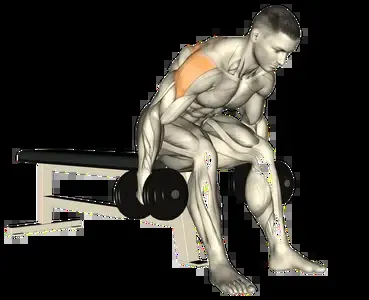
Why it matters
The Rear Delt Fly builds strength and size in your rear deltoids, front deltoids and triceps. As a compound movement, it trains several muscles together and carries over to real-world strength and power.
How to do it
- Choose a pair you can control for every planned rep and get them into position cleanly.
- Set the bench to a low incline, around 30 degrees.
- Set your grip evenly and pull your shoulder blades down and together.
- Set your feet and create full-body tension before you begin.
- Lower the load under control toward the middle of your chest.
- Keep your forearms vertical as you lower.
- Press back to a full lockout.
Coaching cues
- The incline shifts work to the upper chest and front delts — keep your hips down on the bench.
- Think about pulling your shoulder blades apart at the top rather than yanking with your arms.
- Keep the load stacked directly over your elbows.
- Tuck your elbows to about 45 degrees from your torso.
- Drive your shoulder blades back and down and hold that position.
Watch out for
-
Setting the bench so steep it becomes a shoulder press.
This takes work off the target muscle and reduces what you get from the set.
Instead Keep the incline at or below about 45 degrees.
-
Flaring the elbows straight out to the sides.
Flared elbows put your shoulders in a weaker, less comfortable pressing position.
Instead Point your elbows toward your hips as you lower.
-
Bouncing the load off the chest.
Bouncing skips the hardest part of the press, so you build less pressing strength.
Instead Control the descent and pause briefly before you press.
-
Losing the shoulder-blade set at the bottom.
When the blades slip you lose your pressing base and control of the bar.
Instead Keep your blades pinned back and down throughout the rep.
The detail
- Tempo
- Lower for about two counts, then press with intent.
- Breathing
- Breathe in as you lower, then exhale as you press through the sticking point.
- Range of motion
- Lower until the load lightly touches or nearly touches your chest, then press to full extension. Take the rear deltoids through its full working range each rep.
- Setting up
- Choose a pair you can control for every planned rep and get them into position cleanly.
- If you are new to it
- Start light and groove the movement before adding load.
- Once it is easy
- Add a pause on the chest to remove the stretch reflex and build pressing strength.
Safety
- Reduce the load if you lose control of the movement.
- Stop the set if you feel sharp pain.
- Use a spotter or set safety pins when the load is heavy on this press, so you can bail a failed rep safely.